AI Visual Search in eCommerce: How It Works and Why It Converts Better
AI-Powered Visual Search: The Future of eCommerce Shopping
The way consumers shop online has already changed. AI-powered visual search is no longer a feature reserved for Pinterest or Google Lens. In 2026, 36% of online shoppers have used visual search to find products, Google Lens processes 20 billion searches every month with 4 billion tied to shopping, and platforms report 26% higher conversion rates compared to text-based search. For eCommerce brands, this is not a trend to watch. It is a capability to build now.
In this blog, we will examine the changing eCommerce landscape with AI-powered visual search and AI image search, its rapid development, and how brands can capitalize on AI in eCommerce.
What is AI-Powered Visual Search?
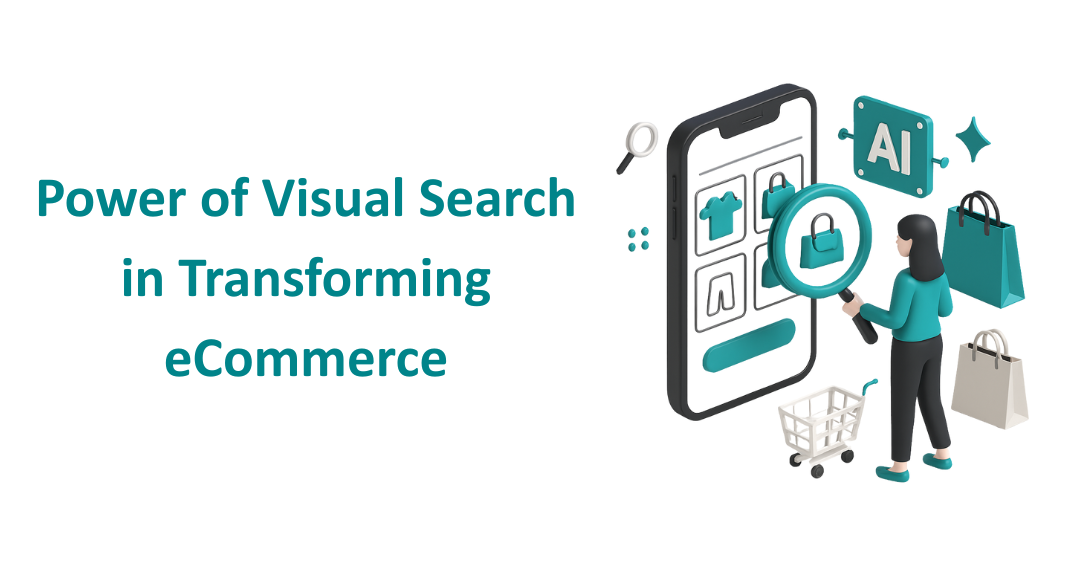
AI visual search enables users to search for products visually instead of textually. It leverages visual search technology such as computer vision and deep learning algorithms to process the image input, identify objects in an image, and then return visually similar items from its catalog of products.
Visual search makes it easy for users to move from aspirations to purchase by eliminating the barrier of using text to search. Maybe they are snapping a photo of their friend's shoes or simply uploading a screenshot of their nurse influencer Instagram account. In many cases, AI image search delivers faster and more accurate product discovery than traditional methods. It’s a core component of AI powered ecommerce innovation and is driving a shift toward visual search shopping across platforms. It also enhances image recognition shopping, where AI identifies the object within the image and connects users to relevant products instantly.
Why Visual Search Matters in eCommerce
Text-based search is certainly not new, but it usually fails because it is subjective, inaccurate, and entirely based on the user’s vocabulary or their verbal skills to explain what they seek. If the user does not know the correct product names or text-based keywords, they may get irrelevant results or miss opportunities altogether. AI visual and AI image search do not require language input, the way text-based search does. The technology enables consumers to more directly and easily find products by letting them search with an image, whether the image is from their camera roll, social, or even a screenshot.
Visual Search by the Numbers (2026)
Key advantages:
- Intuitive Shopping Experience
AI image search allows users to shop effortlessly by simply uploading or capturing a photo of an item they like. When a customer sees their friend's sneakers in person, a piece of furniture in a café, or a full outfit on Instagram, they will never have to mentally search brand names or keywords again. Visual-first approaches to customer experience redefine how users interact with e-commerce and provide a very new and intuitive way to shop. - Improved Product Discovery
The traditional ways of searching can miss a lot of niche or one-off products. By utilizing visual search, product discovery is improved as it enables the consumer to consider a much larger range of products and to be able to navigate long-tailed products that they weren’t even aware existed. Visual search reveals visually similar items or complementary styles that allow users to uncover perfect matches that wouldn't have been discovered any other way, even with meaningful text search input. It is one of the most powerful product discovery tools for discovering hidden gems and discovery as a whole. - Higher Conversion Rates
With users able to locate something without having to struggle to describe the item, the speed and certainty of decision-making is faster. By minimizing friction in the searching process, AI image search reduces products sales cycle and increases satisfaction levels. The effects are happier customers and better conversions, which are especially relevant for fashion, home décor, or lifestyle categories where visuals dominate. - Mobile-First Optimization
With the surge in mobile commerce and camera-enabled shopping behaviors, visual search shopping aligns perfectly with modern consumer habits. Shoppers on the go can use their smartphones to snap a photo and instantly find similar products online. This capability enhances real-time shopping inspiration and turns offline moments into online conversions, making visual search shopping a strategic advantage in any mobile-first retail strategy.
How AI Enables Visual Search
The core technologies behind AI-powered visual search include:
- Machine Vision
Machine vision serves as the foundation of AI visual search systems. It enables machines to “see” and interpret image data by analyzing individual pixels. The system goes through pictures, looking for patterns, shapes, colors, and textures. This basic understanding is important because it helps interpret what is actually in an image (floral print, round neck, shiny finish of purse), and what attributes can actually be identified for search and comparison. - Deep Learning (CNNs)
Deep learning, and more specifically Convolutional Neural Networks (CNN), is at the core of intelligent image recognition. Rather than programming rules to guide the image categorization, CNN allows the system to look at the visual features of an image and go through a process of extracting and recognizing complex visual features or parts of the image. After the neural net has processed the image, the extracted set of features is validated against a database of products that share the same visual features. Providing a highly relevant and precise result. Intelligent image recognition is one of the most important areas of AI that is transforming eCommerce for improving user engagement and satisfaction. - Natural Language Processing (NLP)
While visual data is essential, combining AI visual search and Natural Language Processing (NLP) helps the system understand, along with the visual data, text data, product descriptions, user search history, etc. For instance, if the user uploads a picture, "summer dress", along with this image, an NLP process will be used to help ensure that the visual search returned images match the object and its context within the uploaded phrase. This hybrid approach significantly narrows the scope of possibilities of the returned search results and recommendations. - Image Embedding and Indexing
To make the entire process scalable and lightning-fast, AI visual search systems use image embedding techniques. This consists of changing an image to a numerical representation known as a feature vector that represents the essential characteristics of an image. These feature vectors are indexed in a database so that when a user performs a visual search, the system is able to bring back visually similar items in less than a few milliseconds. This is the backend processing of visual search eCommerce platforms and enables the seamless experiences consumers have come to expect when using visual search.
As a combination, these technologies reflect some of the most mature AI in eCommerce examples utilized by both retail giants and digital-native brands. Whether in fashion, furniture, electronics, or lifestyle products, AI visual search is disrupting the discovery and interactions users have with products, progressing visual search eCommerce forward.
Real-World Applications of Visual Search in eCommerce
Here are some real visual search examples from across industries:
1. Apparel and Fashion
Need a quick product match or styling suggestion? Use an image of an outfit. Because visual aesthetic is so important as a metric for fashion, visual search and AI image search have an important place in the industry.
2. Furniture and Home Decor
To locate comparable furniture or interior design components, consumers can search Pinterest or magazines.
3. Beauty and Cosmetics
See a makeup look online? Visual search can connect users to the same lipstick shade or eyeshadow palette.
4. Grocery and Retail
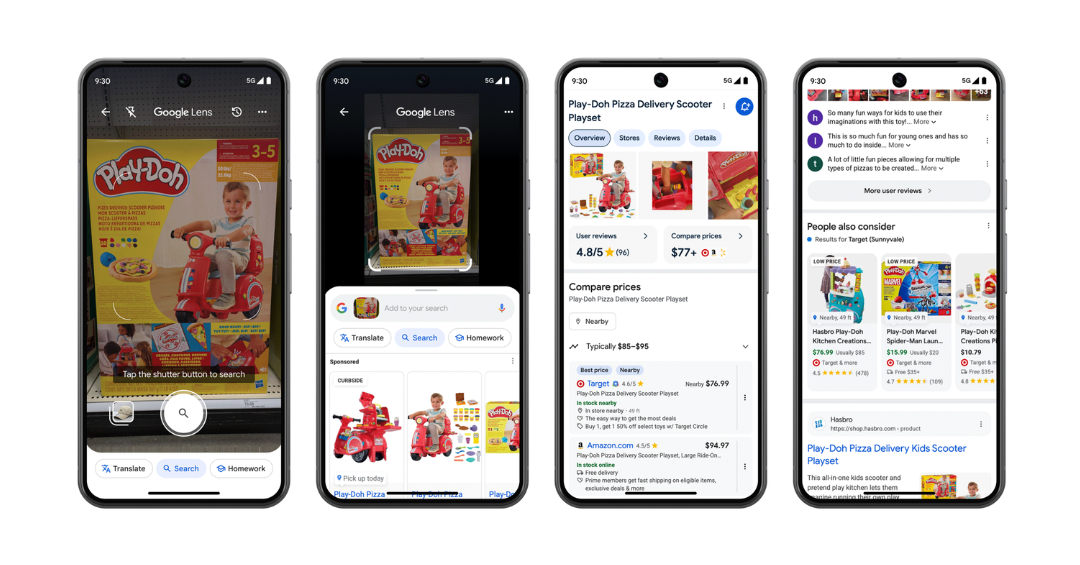
Shoppers can scan product packaging or food items to find brands, prices, or recipes instantly.
AR and Visual Search: The Conversion Combination
In 2026, augmented reality is not a novelty feature. It is a conversion tool working alongside visual search. When a shopper finds a product through visual search, AR gives them the ability to place a sofa in their living room, try on glasses with their camera, or preview a paint color on their wall before buying. Brands implementing visual search with AR preview are reporting 20 to 40% fewer product returns because customers arrive at purchase with higher confidence. Furniture, fashion, and beauty are the categories seeing the strongest results. The implementation path is straightforward: visual search handles discovery, AR handles confirmation, and together they close the gap between inspiration and purchase.
Leading Companies Using Visual Search
- Pinterest Lens – Allows users to take pictures and discover related pins or products.
- Google Lens – Recognizes objects in real time and links them to shopping results.
- Amazon StyleSnap – Enables fashion discovery through uploaded images.
- ASOS & Zalando – Use visual search to help users find similar fashion products.
Each of these platforms provides concrete AI in eCommerce examples where visual search is improving the user experience and setting new standards for product discovery tools with the help of visual search technology, particularly in the context of visual search shopping.
Benefits for eCommerce Brands
Implementing AI-powered visual search can offer:
- Personalized Shopping Journeys
The ability to create hyper-personal experiences is one of the most exciting benefits of AI in e-commerce. With visual search, if an online shopper provides an image of a product they like, they will receive recommendations based not just on text input or past clicks but based on a shopper's visual preferences. When the user uploads an image, they should immediately receive highly similar items and complementary styles that are most aligned with their visual preferences so they can start shopping in an enjoyable, relevant way that gives rise to an exact shopping experience that drives engagement and loyalty!
- Lower Bounce Rates
Traditional search often frustrates users when they can't find what they're looking for, leading them to leave the site quickly. By contrast, visual search technology ensures users can find visually similar products in just a few seconds, even if they don’t know the right keywords. This fast and frictionless experience significantly reduces bounce rates, as shoppers are more likely to stay, browse, and convert when they’re shown relevant results from the start.
- Competitive Advantage
In a digital retail landscape that’s increasingly saturated, adopting visual search technology can be a game-changer. It not only enhances the user experience but also serves as a strong market differentiator. Brands that offer AI-powered search features appear more innovative, forward-thinking, and customer-centric. This technological edge can attract a broader audience, increase brand trust, and keep your business ahead of competitors who still rely solely on traditional search functionalities.
- Better Data Collection
Every image-based search provides a goldmine of visual preference data. Unlike text searches, which can be vague or inconsistent, images reflect exactly what the user is looking for, whether it’s a color, pattern, style, or texture. By analyzing these patterns, businesses can gain richer insights into customer behavior, emerging trends, and even inventory planning. This makes AI in eCommerce not just a user-facing innovation, but also a powerful tool for strategic decision-making, product development, and marketing optimization.
Visual Search in Agent-Led Commerce
AI shopping agents are changing how visual search works in 2026. A shopper no longer just uploads an image and gets matches. AI agents interpret intent, compare options across price points and availability, and narrow recommendations based on context like style, budget, and delivery speed. A user can point their camera at a piece of furniture and say "find something similar under $500 with fast delivery" and an AI agent handles the entire discovery and comparison flow. For eCommerce brands this means product catalogs need to be structured and machine-readable, not just visually attractive. Well-labeled product data, accurate structured metadata, and consistent image quality are now what determines whether your products appear in agent-led recommendations.
Challenges to Consider
Visual search is exciting, but it also has drawbacks.
- Accuracy: Bad recommendations can stem from bad identification of objects.
- Scalability: Real-time image-process requires substantial infrastructure.
- Privacy concerns: The handling of image data is regulated by GDPR, and thus must be handled in compliance with these and other regulations.
Getting Started with Visual Search Integration
For brands looking to adopt visual search, here are some steps:
1. Digitize Product Catalogs
Ensure high-quality, labeled images for all products.
2. Choose a Visual Search Engine
Tools like ViSenze, Clarifai, or Google Vision AI offer ready-to-integrate APIs.
When evaluating APIs, check whether the provider supports multimodal search — combining image input with text context. Tools like Google Vision AI and ViSenze support this. A working visual search MVP typically takes 4 to 8 weeks to build and deploy depending on catalog size and integration complexity.
3. Optimize for Mobile
Make image upload and search seamless for mobile users.
4. Combine with Recommendation Engines
Use both visual and behavioral data for hyper-personalized suggestions and robust product discovery tools backed by AI visual search. These steps also build the foundation for successful image recognition shopping applications.
5. Structure Your Product Data for AI
Label every product with complete attributes including color, material, pattern, dimensions, and category. AI agents and search systems rely on this structured data to match products accurately. Incomplete metadata is the most common reason visual search returns poor results even when the image recognition is working correctly.
The Future Outlook: Visual + Voice + AR
Visual search is converging with voice and augmented reality faster than most brands expected. The scenario of a user pointing their phone at a gray couch and saying 'find me this in navy blue under $800' is no longer hypothetical. It is already available in early versions of AI shopping agents on Google and Amazon.
Final Thoughts
Visual search powered by AI is now a reality; it's an effective technology, transforming the ways we find and buy products online. This technology is important to eCommerce brands hoping to stay relevant in an increasingly visual world, as understanding relevance goes beyond just being innovative. The future of online shopping is not typed. It’s seen. And visual search eCommerce will continue to shape that future.
Supercharge Your eCommerce Platform with AI-Powered Visual Search
Seaflux Technologies is a trusted custom software development company delivering intelligent custom AI solutions tailored for modern retail. As a leading AI development company, we help businesses transform with cutting-edge ecommerce solutions, real-time visual search engines, and advanced customer journey mapping.
We specialize in custom eCommerce solutions, retail AI solutions, and personalized recommendation systems that provide engagement, drive conversions, and adapt to growing consumer needs. As an established AI solutions provider, we build scalable, mobile-driven solutions that enable your brand to be the leader in AI online shopping to create the ultimate consumer experience.
Connect with us to learn how our experience with custom software development and our technology can equip your company with a sustainable competitive advantage.

Krunal Bhimani
Business Development Executive