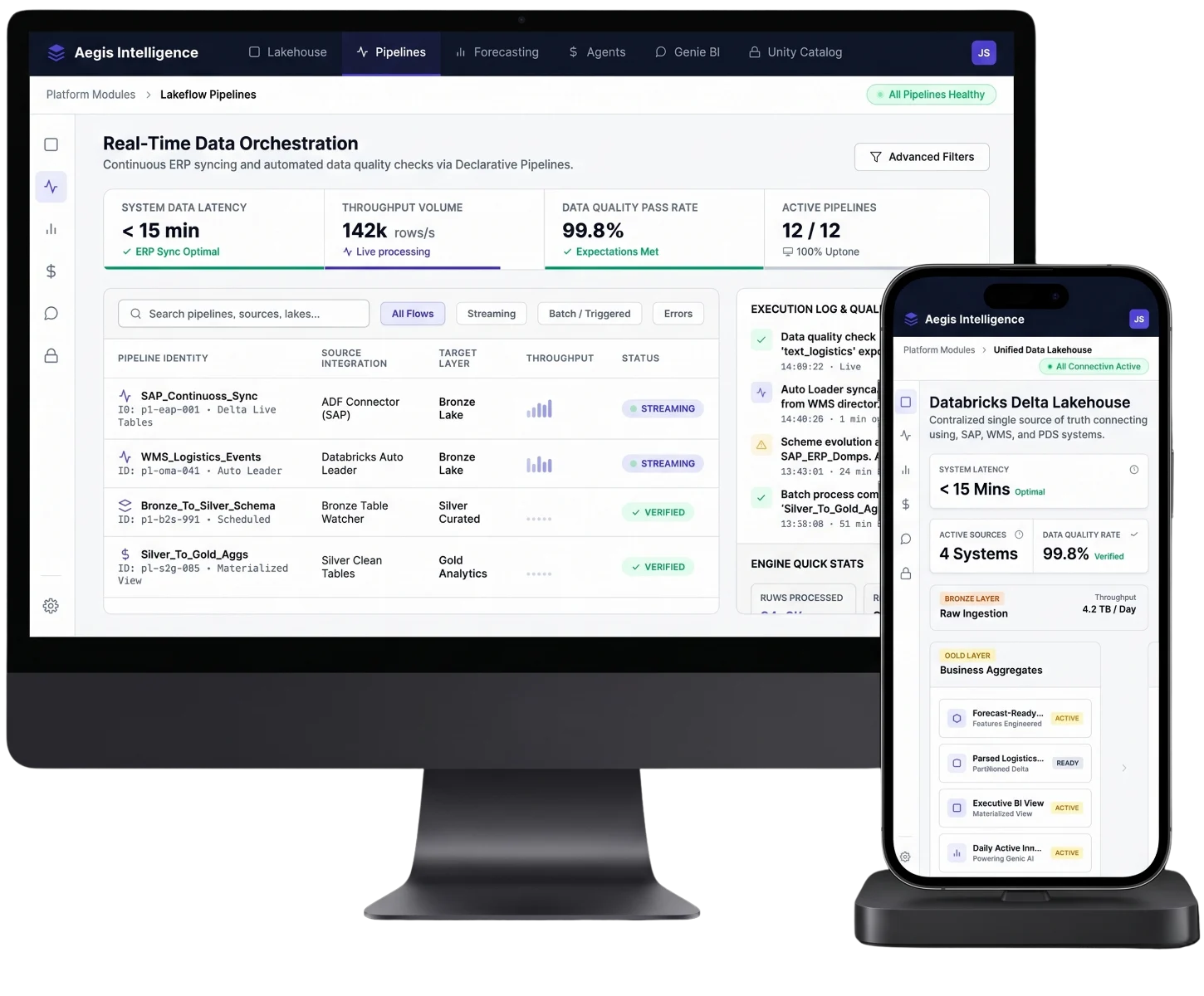
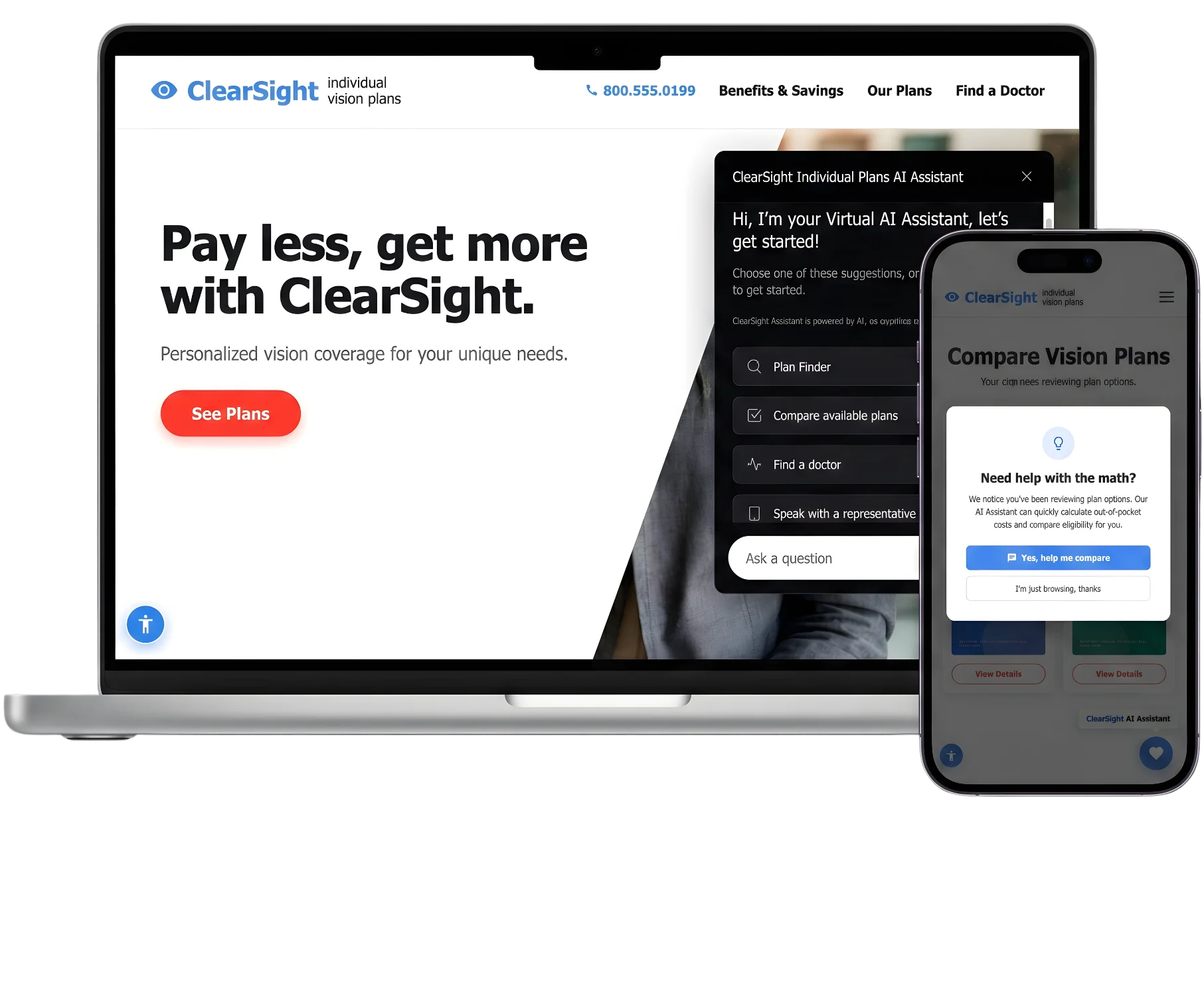
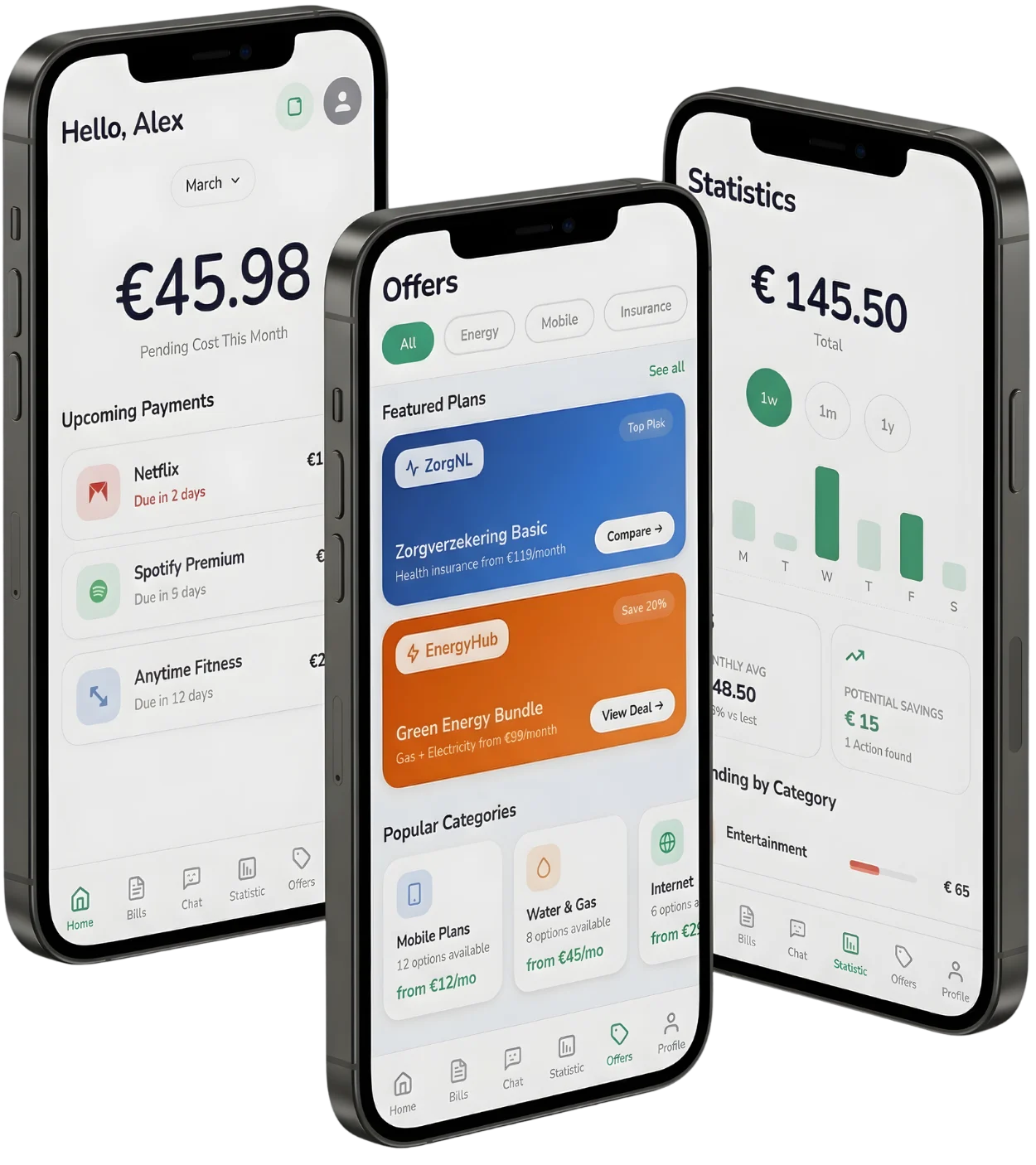
We automate the entire ML lifecycle from training to deployment and monitoring—ensuring scalable, reliable, and high performing models in real-world environments.
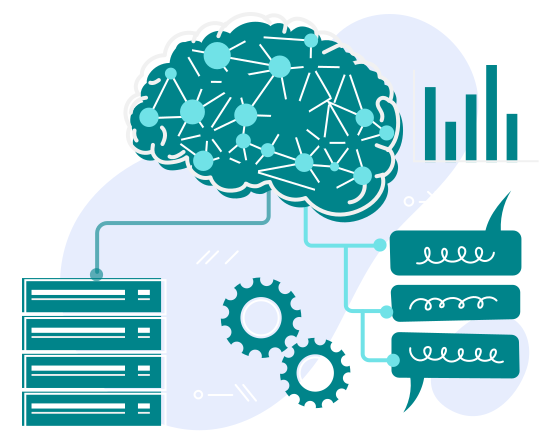
Most ML models never reach production or fail shortly after. Without MLOps, teams often find themselves fighting issues like inconsistent results, scaling headaches, and models that slowly lose accuracy. When you apply DevOps-style practices to the ML workflow, MLOps helps everything run smoother, faster delivery, steadier performance, and a clear view of the ROI your models are actually generating. That’s why so many organizations today turn to professional MLOps consulting to get it right.

End-to-end ML pipeline automation
CI/CD for ML workflows (data, model, deployment)
Model monitoring and drift detection
Data versioning, lineage, and governance
Model registry, experiment tracking, and orchestration
Infrastructure management (Kubernetes, Docker, Terraform)
Cloud-native MLOps on AWS, Azure, and GCP
We don’t just deploy models, we build intelligent pipelines that sustain performance and scale.

Seaflux empowers you to scale rapidly with our structured MLOps solutions framework, supporting end-to-end ML pipeline orchestration for production AI and complete support for operationalising machine learning throughout the lifecycle.
Understand ML workflows, gaps, and deployment maturity.Build CI/CD pipelines, orchestration, and environments.Establish version control and compliance structures.Implement model health tracking and continuous improvements.Enable automation, retraining, and model updates.


We understand that your success is our success, and that's why we are dedicated to providing you with top-quality service and software solutions.

Take your models beyond the lab. Build a production-ready AI infrastructure that continuously learns, adapts, and scales.
MLOps is the practice of managing machine learning models through automated deployment, monitoring, governance, and continuous improvement. Enterprises need MLOps because most ML models built in isolation fail to reach production or degrade quickly once deployed. MLOps solves this by automating pipelines, enforcing governance, and ensuring models stay accurate and reliable at scale. Without it, data science teams spend more time firefighting than delivering business value.
Seaflux's MLOps engineers work across MLflow, Kubeflow, AWS SageMaker, Azure ML, and GCP Vertex AI adapting to the stack you already have rather than forcing a proprietary toolchain. We also support LiteLLM and AWS Bedrock deployments for LLM-based production pipelines, Dataiku for end-to-end ML platform governance, and infrastructure tools including Kubernetes, Docker, and Terraform. Our goal is cloud-agnostic, tool-agnostic MLOps that fits your organisation.
Timeline depends on your starting point. A focused MLOps readiness audit and roadmap typically takes 2–3 weeks. A full pipeline automation and infrastructure setup for a team with existing models usually runs 6–12 weeks. Ongoing managed MLOps covering monitoring, retraining, and governance is an evergreen engagement. Seaflux begins every project with a free assessment to scope the work accurately before committing to a timeline.
Seaflux implements automated model monitoring that tracks prediction accuracy, input data distributions, and key performance metrics in real time. When drift is detected either data drift (input patterns shifting) or concept drift (the relationship between inputs and outputs changing), our systems trigger alerts and, where configured, automated retraining pipelines. This means your models self-correct rather than silently degrading, protecting the business decisions they power.
Yes, this is one of our most common engagements. Many organisations have strong data science teams that build effective models but lack the DevOps and infrastructure expertise to get them into reliable production. Seaflux bridges that gap: we take your existing models, build the deployment pipelines, monitoring, versioning, and retraining infrastructure around them, and hand back a production-ready ML system your team can operate confidently.
Seaflux builds end-to-end MLOps pipelines that include data validation, model training automation, CI/CD workflows, monitoring, observability, and scalable cloud deployment. Our team works with AWS, Azure, GCP, Kubernetes, MLflow, Docker, and modern AI orchestration frameworks.
Yes. We help organizations move AI models from experimentation environments into secure, production-ready systems with automated deployment pipelines, infrastructure optimization, monitoring dashboards, and rollback strategies.
MLOps enables continuous monitoring, automated retraining, version control, and performance tracking. This helps enterprises detect model drift early, maintain prediction accuracy, reduce downtime, and improve overall AI reliability.
Yes. Seaflux builds MLOps pipelines for generative AI systems including LLM deployment, prompt evaluation, vector databases, RAG pipelines, model monitoring, GPU infrastructure optimization, and AI workflow automation.